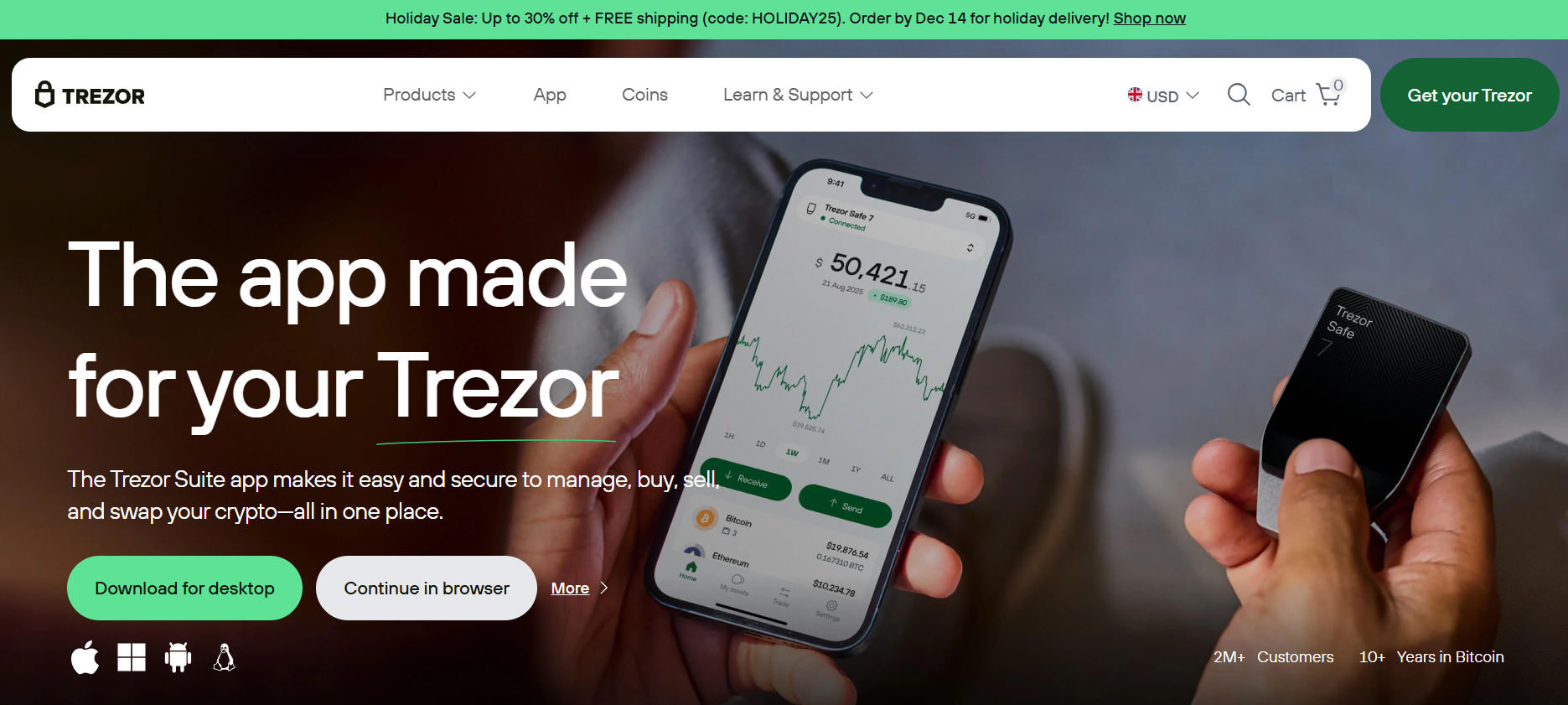
A hardware wallet can become an important part of a long-term cryptocurrency routine. After completing the initial setup, it is useful to establish a consistent process for checking your device, reviewing accounts, and verifying transactions. Trezor.io/start can provide a helpful reference for users who want to understand the basic setup process before moving into regular wallet management.
Start with a trusted computer
Before using your hardware wallet, make sure the computer you plan to use is familiar and reasonably secure. Keep its operating system updated and avoid installing applications from unknown sources. A clean working environment makes it easier to notice unexpected prompts or unfamiliar activity. When accessing wallet software or setup instructions, use trusted sources rather than links received through unsolicited messages.
Check your device and accounts
Connect your Trezor using the normal connection process, then confirm that it is recognized correctly before beginning an important task. Pay close attention to information shown on the physical device. Read each requested action carefully before approving it; the hardware wallet provides an important verification point for sensitive operations.
Once connected, review the accounts you expect to use. Check their names, supported assets, and displayed balances. If you have several accounts, make sure you understand the purpose of each before selecting one for a transaction. A clear account structure can reduce confusion as your activity grows.
Confirm assets, networks, and addresses
Before sending or receiving funds, identify the exact cryptocurrency and confirm the appropriate network. Different assets can have different network requirements, so do not rely only on a familiar asset name. Compare a recipient’s instructions with the options in your wallet, and consult trusted documentation rather than guessing if anything is unclear.
To receive funds, select the intended account and generate a receiving address. Review it carefully. If your device provides address verification, compare what appears on the device with the information on your computer. Share only the public receiving address or information needed for the transfer. Your recovery seed should never be shared.
Review every outgoing transaction
Before approving a transfer, check the destination address, asset, network, amount, and fee. Review the final details directly on your Trezor. If anything does not match your intended transaction, stop and investigate before confirming. Do not let another person’s urgency replace your own verification process.
Protect your recovery seed
Keep your recovery seed private and protected according to the manufacturer’s security guidance, and avoid unnecessary digital copies. Never type it into a website or online form because someone claims it is needed for verification, synchronization, technical support, or account recovery. Treat anyone asking for this information with caution.
Keep your routine simple
A useful wallet routine does not need to be complicated:
- Use a trusted computer and check your connected device.
- Select the correct account, asset, and network.
- Verify receiving addresses and review outgoing details on the device.
- Keep your recovery seed private.
Repeating these steps can make regular sessions more predictable. Your environment may change over time—you might use a new computer, add an account, or return after several weeks. When something changes, pause to review the setup before making an important transaction.
Use Trezor.io/start as a reference
If you need to revisit the fundamentals of getting started, Trezor.io/start can serve as a useful reference point. Begin with trusted documentation instead of random instructions from social media or unfamiliar websites, and follow the recommended setup process.
Preparing a hardware wallet for regular activity is mainly about consistency. A trusted computer, correctly connected device, organized accounts, verified addresses, accurate network selection, and careful transaction review can support a more dependable workflow. Return to Trezor.io/start when you need to refresh the basics, and maintain good security habits as you manage cryptocurrency.